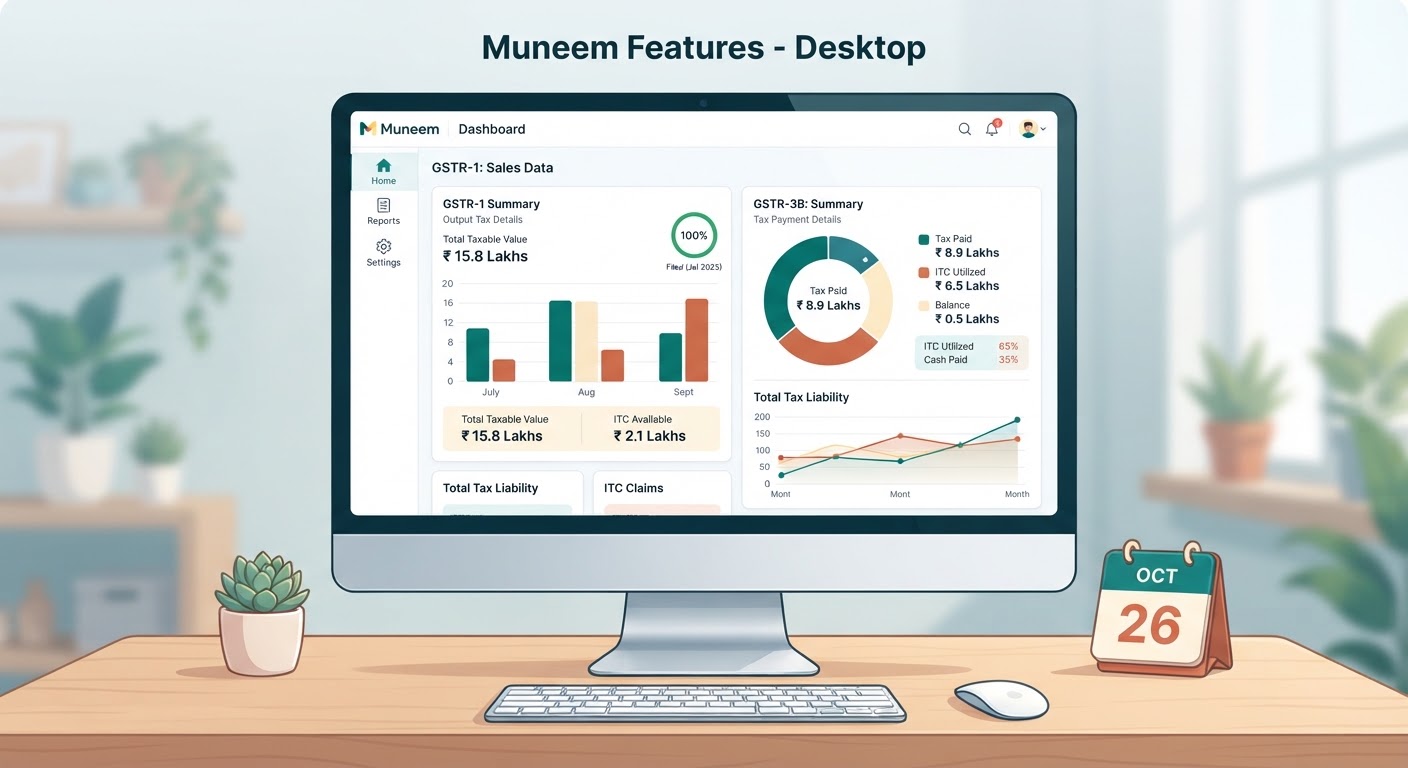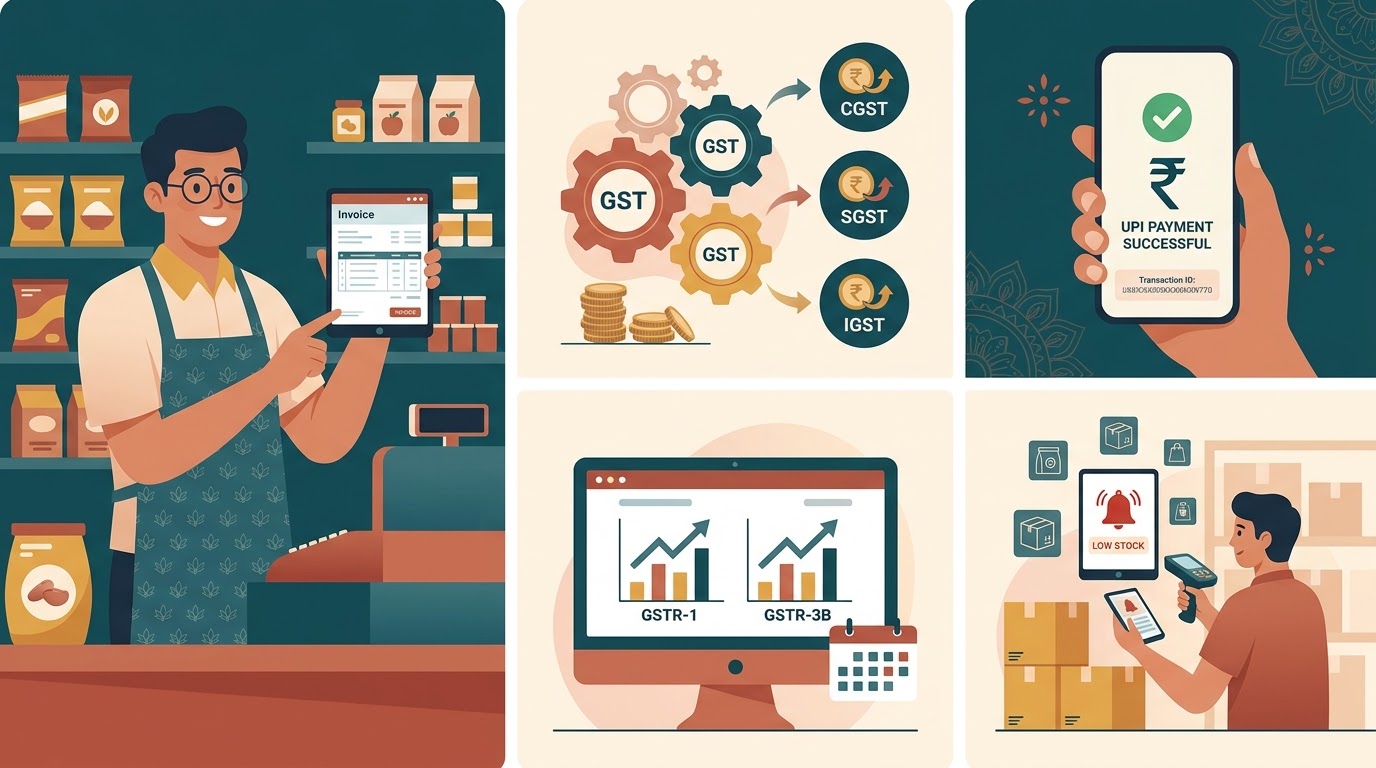
GSTR-3B is the monthly self-declared summary return every regular GST-registered business must file — even in months with zero sales. It is where your outward tax liability, input tax credit (ITC), and net cash payment are reported. Getting it wrong is the single most common trigger for GST notices to small businesses.
Note: The GSTR-3B due date is the 20th of the following month for monthly filers. Taxpayers on the QRMP quarterly scheme file on the 22nd or 24th depending on their state. Late filing attracts a fee of ₹50 per day (₹20 for nil returns) plus 18% annual interest on unpaid tax.
1. Reconcile before you file
The biggest source of GSTR-3B errors is filing straight from memory or rough totals. Before opening the portal:
- Match your sales register against the GSTR-1 you filed for the same period. The liability in 3B must reconcile with 1 — mismatches draw automated scrutiny.
- Match your purchase register against GSTR-2B. Only claim ITC that appears in 2B and satisfies the conditions of Section 16: you hold the invoice, you received the goods or services, the supplier has paid the tax, and you have filed your own returns.
- Exclude ineligible credit — motor vehicles, food and beverages, personal use, and items blocked under Section 17(5).
2. Compute your net tax liability
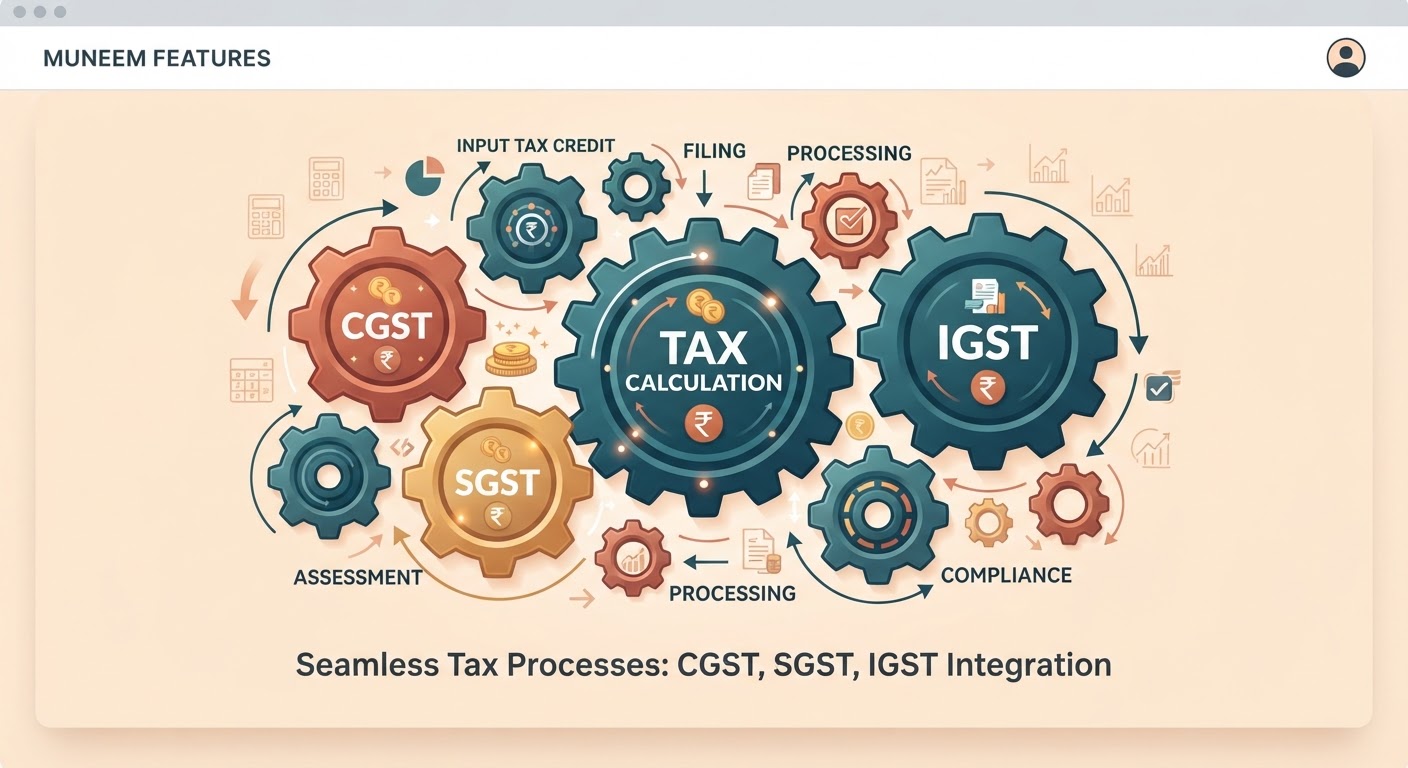
GSTR-3B Table 3.1 captures outward taxable supplies split into CGST, SGST, IGST, and cess. Table 4 captures eligible ITC — split into imports, reverse charge, ISDs, and all other ITC.
| Parameter | GSTR-1 | GSTR-3B |
|---|---|---|
| Purpose | Invoice-level outward supply detail | Summary return and tax payment |
| Frequency | Monthly or quarterly | Monthly (or quarterly under QRMP) |
| Due date | 11th of following month | 20th of following month |
| Tax payment | No | Yes — net liability after ITC |
Your cash outflow is simply:
Output tax on sales − eligible ITC = net tax payable, paid through the electronic cash ledger via challan PMT-06.
3. File and verify
On the GST portal, open Returns → GSTR-3B, fill the tables, preview carefully, then submit and file with EVC (OTP to the registered mobile) or DSC for companies. Save the ARN and download the filed return PDF for your records.
Key takeaways
- File GSTR-3B even in nil-activity months — skipping it blocks the next period’s filing.
- Never claim ITC beyond GSTR-2B without documentation; unmatched credit is the top cause of demand notices.
- Liability in 3B must tie back to GSTR-1. Reconcile every month, not at year-end.
Muneem generates a filing-ready GSTR-3B from your invoices automatically — CGST/SGST/IGST split, ITC eligibility per purchase, and Circular 170-compliant tables — so filing takes minutes, not a weekend.